The evolution of casinos tracing their history through time
The evolution of casinos tracing their history through time
Origins of Gambling
The concept of gambling dates back to ancient civilizations, where games of chance were played for entertainment and social interaction. Archaeological evidence suggests that the earliest forms of gambling can be traced to Mesopotamia around 3000 BC, with the use of dice made from animal bones. These early games were often tied to religious rituals and festivities, showcasing the intertwining of chance and culture. In recent years, with various innovations, many players are exploring casino sites not on gamstop, reflecting a new dimension of the gambling landscape.

As societies evolved, so did the complexity of gambling activities. The Romans popularized betting on gladiatorial games, while the Chinese developed lotteries as a means of raising funds for public projects. These early forms of gambling laid the groundwork for the more organized establishments that would emerge in later centuries.
The Birth of Modern Casinos
The modern casino as we know it began to take shape in the 17th century, particularly in Italy with the opening of the first official gambling house, the Ridotto, in Venice. This establishment was designed to offer a controlled environment where patrons could enjoy games like baccarat and roulette. The idea quickly spread across Europe, leading to the establishment of numerous gambling houses and, eventually, the iconic casinos we recognize today.
During this period, casino architecture evolved to reflect opulence and luxury. Grand ballrooms and lavish interiors became standard, aiming to attract wealthy patrons. As the popularity of gambling grew, so did the variety of games offered, with casinos beginning to diversify their offerings to include card games, slot machines, and more.
Casinos in America
The arrival of casinos in America can be traced back to the early 19th century, with New Orleans becoming a hotspot for gambling. The first legal casino, known as a gaming house, opened in the early 1800s. However, it was not until the 1930s that casinos gained widespread acceptance, particularly in Nevada, where Las Vegas emerged as the gambling capital of the world.
Las Vegas revolutionized the casino experience, introducing lavish resorts and entertainment options that went beyond traditional gambling. The architecture of these casinos often featured thematic designs, creating immersive experiences for visitors. This marked a significant shift in how casinos were perceived, transforming them into destinations for entertainment and leisure.
Technological Advancements and Online Casinos
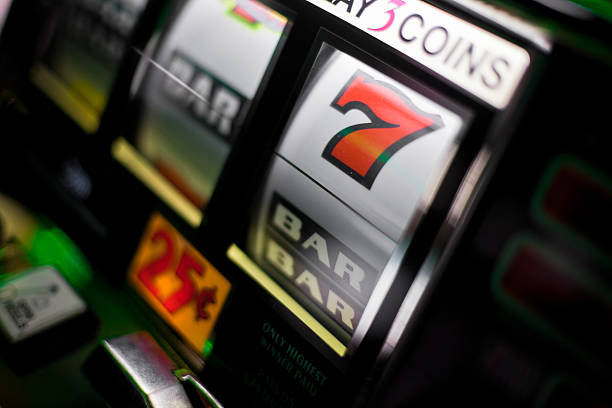
The late 20th and early 21st centuries saw significant technological advancements that further transformed the casino landscape. The introduction of computerized slot machines and digital gaming options enhanced the gaming experience and attracted a younger demographic. This evolution paved the way for online casinos, allowing players to gamble from the comfort of their homes.
Online casinos utilize sophisticated software and secure payment systems, expanding the reach of gambling beyond physical locations. They offer a wide variety of games, often with innovative features and bonuses that entice players. The design of online platforms mirrors the aesthetic appeal of brick-and-mortar casinos, creating a seamless virtual experience.
Esports and the Future of Casinos
As the gaming industry continues to evolve, esports have begun to emerge as a new frontier for casinos. With millions of fans worldwide, esports events are now being integrated into casino offerings, allowing patrons to bet on their favorite teams. This intersection of traditional gambling and competitive gaming represents an exciting new phase for the industry.
As casinos adapt to changing trends, the focus on innovative design and engaging experiences remains paramount. The architecture of future casinos may further blend technology with entertainment, creating interactive spaces that captivate visitors and enhance the overall gambling experience.
By Lynne Malone on 8:50 am in Public No Comments